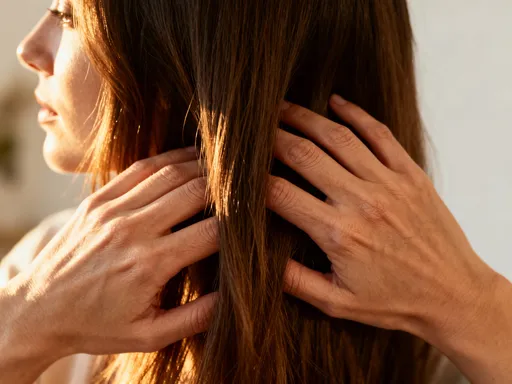
Hair Was Slipping—Here’s What Actually Worked to Keep It Strong
You’re not imagining it—hair thinning is real, and it hits harder when you see clumps in the drain. I felt the panic, the mirror betraying me each morning. But after months of testing routines, researching science-backed methods, and adjusting my lifestyle, I noticed a real shift. This isn’t about miracles—it’s about consistent, smart health habits that support scalp and strand resilience. Let’s talk about what truly makes a difference. Hair loss is more than a cosmetic concern; for many women, it’s a quiet signal from the body, often rooted in deeper imbalances. Recognizing it early, understanding its causes, and responding with informed care can change the trajectory of hair health for good.
The Moment I Knew Something Was Wrong
It started subtly—a few extra strands on the pillow, more than usual caught in the brush. At first, I dismissed it as seasonal shedding, something every woman experiences in the fall. But then, the bathroom drain began to clog more often. I’d pull out handfuls after washing my hair, and my ponytail felt thinner, less full. That’s when concern turned into alarm. I remember standing in front of the mirror one morning, parting my hair down the middle, and seeing more scalp than I ever had before. It wasn’t dramatic baldness, but the thinning along the part was unmistakable. My confidence began to waver with each passing week.
What made it harder was the silence around it. Unlike men, whose hair loss is often acknowledged and even joked about, women rarely talk openly about thinning hair. There’s a sense of shame, as if it reflects poor self-care or aging too quickly. I blamed myself—maybe I wasn’t eating right, maybe I was too stressed. I avoided updos, relied heavily on dry shampoo and volumizing sprays, and started scheduling more frequent trims, hoping something would help. But none of it addressed the root cause. The emotional toll was real. I felt less like myself, more self-conscious in social settings, and frustrated by the lack of clear answers.
Looking back, that moment of realization was actually a turning point. Acknowledging the problem, rather than hiding it, was the first step toward reclaiming control. Hair thinning isn’t just a vanity issue—it’s a physical change that can affect mental well-being. And while it’s common, especially after hormonal shifts like childbirth or perimenopause, it shouldn’t be ignored. Early awareness allows for earlier intervention, which can prevent further loss and support regrowth. I learned that waiting too long to act often means dealing with more advanced thinning, which is harder to reverse. Paying attention to your body’s signals is not obsessive—it’s responsible self-care.
What Science Says About Hair Loss: Separating Fact from Fiction
Hair loss in women is often misunderstood. Many believe it’s purely genetic, like male-pattern baldness, but the reality is more complex. While heredity does play a role, especially in female-pattern hair loss (androgenetic alopecia), it’s rarely the only factor. Science shows that hair thinning in women is usually multifactorial, involving a combination of hormones, stress, nutritional status, and lifestyle habits. One of the most important things to understand is the natural hair growth cycle. Hair grows in phases: the anagen (growth) phase, which can last two to seven years; the catagen (transition) phase, lasting a few weeks; and the telogen (resting) phase, which ends with shedding. Normally, about 85–90% of hair is in the growth phase at any time, and losing 50 to 100 strands per day is considered normal.
Problems arise when this cycle is disrupted. Excessive shedding, known as telogen effluvium, occurs when a large number of hair follicles shift prematurely into the resting phase. This can be triggered by events like major illness, surgery, rapid weight loss, or emotional stress. Unlike gradual thinning, telogen effluvium often causes sudden, diffuse shedding that can be alarming. It typically begins two to three months after the triggering event and may last several months. The good news is that it’s usually temporary, and hair often regrows once the underlying cause is addressed. However, if the trigger persists—such as chronic stress or ongoing nutritional deficiencies—the shedding can become prolonged.
Another common misconception is that hair loss is always irreversible. While some forms, like scarring alopecia, can permanently damage follicles, most types of hair thinning in women are treatable, especially when caught early. Hormonal imbalances, particularly involving thyroid function or sex hormones like estrogen and testosterone, are frequent contributors. Polycystic ovary syndrome (PCOS), for example, can lead to increased androgen levels, which may shrink hair follicles over time. Autoimmune conditions like alopecia areata cause patchy hair loss and require medical management. The key is not to self-diagnose but to seek professional insight when changes are persistent or concerning. Understanding the science behind hair loss removes fear and replaces it with actionable knowledge.
Nutrition as Foundation: Fueling Hair from Within
If hair is a reflection of internal health, then nutrition is its foundation. Every strand is made mostly of keratin, a protein, so adequate dietary protein is essential. When the body is low on protein or calories, it may shift resources away from non-essential functions like hair growth, leading to shedding. This is often seen in cases of rapid weight loss or restrictive diets. But protein is just one piece. Iron deficiency is one of the most common nutritional causes of hair loss in women, especially those with heavy menstrual cycles. Iron helps red blood cells carry oxygen to hair follicles, and low levels can push hair into the resting phase prematurely. Studies have shown that correcting iron deficiency, even in the absence of full-blown anemia, can improve hair density.
Other key nutrients include zinc, which supports cell reproduction and hormone balance; biotin, involved in keratin production; and vitamin D, which plays a role in follicle cycling. A deficiency in any of these can impair hair growth. Omega-3 fatty acids, found in fatty fish, flaxseeds, and walnuts, help nourish the scalp and reduce inflammation. Antioxidants like vitamin C and E protect hair from oxidative stress, which can damage follicles over time. The best approach is to get these nutrients from whole foods rather than relying heavily on supplements. For example, lean meats, eggs, spinach, lentils, nuts, seeds, and colorful vegetables provide a broad spectrum of hair-supportive nutrients.
That said, supplements can be helpful when dietary intake is insufficient or when a deficiency is confirmed through testing. However, more is not always better. Excessive intake of certain nutrients, like selenium or vitamin A, can actually contribute to hair loss. This is why it’s important to work with a healthcare provider before starting any supplement regimen. A balanced, varied diet that supports overall health will naturally support hair health. Think of it as building a strong foundation—without it, even the best haircare products or treatments may fall short. Eating well isn’t about perfection; it’s about consistency and making choices that honor your body’s needs.
Lifestyle Levers That Make a Real Difference
Beyond diet, daily habits play a powerful role in hair health. Sleep, for instance, is often overlooked. During deep sleep, the body repairs tissues, balances hormones, and regulates cortisol, the stress hormone. Poor sleep quality or chronic sleep deprivation can disrupt this balance, leading to elevated cortisol levels, which in turn can interfere with the hair growth cycle. Research suggests that long-term stress and poor sleep are linked to increased shedding. Establishing a consistent sleep routine—going to bed and waking up at the same time, limiting screen time before bed, and creating a calming bedtime ritual—can support both hormonal health and hair resilience.
Chronic stress is another major contributor. Whether it’s work pressure, family responsibilities, or financial worries, unmanaged stress takes a physical toll. High cortisol levels can shorten the anagen phase and push more hairs into the telogen phase. This is why many women notice increased shedding after a particularly stressful period. Managing stress isn’t about eliminating it completely—life will always have challenges—but about building resilience. Mindfulness practices like meditation, deep breathing, or gentle yoga can help regulate the nervous system. Even short daily walks in nature have been shown to reduce cortisol and improve mood.
Hydration is another simple yet impactful factor. Water supports every cellular function, including nutrient delivery to hair follicles. Dehydration can make hair dry and brittle, increasing breakage. Drinking enough water throughout the day—typically six to eight glasses, depending on activity level and climate—helps maintain scalp moisture and overall hair strength. Physical activity also contributes by improving circulation, which enhances blood flow to the scalp. Exercise doesn’t have to be intense; even moderate movement like brisk walking or swimming can make a difference. These lifestyle habits don’t just support hair—they enhance overall well-being, reinforcing the idea that hair health is part of a larger picture of self-care.
Your Haircare Routine—Are You Helping or Hurting?
It’s easy to assume that more products mean better results, but many common haircare habits can actually do more harm than good. Heat styling tools like flat irons, curling wands, and blow dryers, when used daily or at high temperatures, can weaken the hair shaft, leading to split ends and breakage. Similarly, tight hairstyles—such as high ponytails, braids, or buns worn frequently—can cause traction alopecia over time, a type of hair loss from constant pulling on the roots. Switching to looser styles and giving hair a break from tension can prevent long-term damage.
The ingredients in hair products also matter. Sulfates, commonly found in shampoos, are strong detergents that can strip natural oils from the scalp, leading to dryness and irritation. For those with sensitive scalps or fine hair, sulfate-free alternatives may be gentler. Silicones, while they provide temporary smoothness, can build up over time, weighing hair down and blocking moisture. Clarifying shampoos used once a month can help remove buildup. Fragrances, both synthetic and natural, are a common cause of scalp irritation and should be avoided if sensitivity is suspected.
Scalp health is just as important as hair shaft care. A clean, well-circulated scalp creates a better environment for hair growth. Overwashing can strip natural oils, while underwashing can lead to clogged follicles from excess oil and product residue. Most people do well washing every two to three days, but this varies by hair type and lifestyle. Massaging the scalp during washing not only feels good but also stimulates blood flow, which may support follicle health. Using lukewarm water instead of hot water helps preserve the scalp’s natural barrier. Choosing gentle, non-irritating products and minimizing chemical processing—like frequent coloring or perming—can go a long way in preserving hair strength and integrity.
When to Seek Professional Guidance
While many cases of hair thinning can improve with lifestyle and dietary changes, there are times when professional help is necessary. If you notice patchy hair loss, sudden bald spots, or significant changes in a short period, it’s important to consult a healthcare provider. Scalp redness, itching, flaking, or pain may indicate an underlying condition like psoriasis, seborrheic dermatitis, or fungal infection, all of which require specific treatment. Rapid shedding after childbirth is common and often resolves on its own, but if it persists beyond a year, further evaluation is warranted.
Dermatologists are typically the first point of contact, as they specialize in skin and hair conditions. Some dermatologists have additional training in hair disorders and may be referred to as trichologists. These specialists can perform scalp examinations, take hair pull tests, and order blood work to check for nutrient deficiencies, thyroid issues, or hormonal imbalances. A simple blood panel can reveal critical information about iron, vitamin D, thyroid-stimulating hormone (TSH), and other markers related to hair health.
Nutritionists or registered dietitians can also play a valuable role, especially if dietary habits are a concern. They can help identify gaps in nutrition and create personalized eating plans. In some cases, treatment may include topical medications like minoxidil, which is FDA-approved for female pattern hair loss and can help stimulate regrowth when used consistently. Other options, such as low-level laser therapy or platelet-rich plasma (PRP) injections, are being studied and may be recommended in certain cases. The key is not to delay seeking help out of embarrassment or hope that it will resolve on its own. Early diagnosis and intervention offer the best chance for improvement.
Putting It All Together: A Sustainable Plan for Hair Resilience
Improving hair health isn’t about finding a single miracle solution—it’s about building a sustainable, science-aligned routine that supports the body as a whole. Start by focusing on the fundamentals: eat a balanced diet rich in protein, iron, and essential vitamins; prioritize sleep and stress management; stay hydrated; and move your body regularly. These habits form the backbone of long-term hair resilience. Then, assess your haircare routine. Replace harsh products with gentler alternatives, reduce heat styling, and avoid tight hairstyles. Be patient—hair grows slowly, about half an inch per month, so changes take time.
Tracking progress can be helpful, but it’s important to do so without obsession. Take monthly photos under consistent lighting, note how your hair feels, and observe any changes in shedding. Small improvements, like less hair in the drain or a slightly fuller appearance, are signs of progress. Avoid the trap of comparing your hair to others or chasing unrealistic standards. Every woman’s hair is different, and health looks different for everyone.
Think of hair care as an ongoing practice, not a quick fix. It’s about making consistent, informed choices that honor your body’s needs. This mindset shift—from chasing beauty to nurturing health—can be empowering. When you view hair health as part of your overall wellness, the motivation becomes deeper and more lasting. You’re not just trying to look better; you’re choosing to feel better from the inside out. And that kind of self-respect has benefits that extend far beyond the mirror.
Hair Health Is Self-Care, Not Vanity
Taking care of your hair is not about vanity—it’s about paying attention to your body and responding with kindness and intention. Hair thinning can be a wake-up call, a signal that something is out of balance. By addressing it with science-backed strategies, you’re not just supporting your hair; you’re investing in your overall health. The habits that strengthen hair—eating well, sleeping deeply, managing stress, and moving your body—also reduce the risk of chronic disease, improve mood, and enhance quality of life.
For women in their 30s, 40s, and 50s, this is especially relevant. Hormonal shifts, career demands, and family responsibilities can take a toll, and self-care often gets pushed aside. But small, consistent actions add up. You don’t need to overhaul your life overnight. Start with one change—a better breakfast, a 10-minute walk, a gentler shampoo—and build from there. Progress is rarely linear, but every step forward matters.
Hair health is a journey, not a destination. It’s about showing up for yourself, day after day, with patience and compassion. When you treat your body with care, it responds. And while results may take months to appear, the act of nurturing yourself is valuable in itself. So take a deep breath, look in the mirror with honesty and kindness, and know that you have the power to make a difference. With the right knowledge and consistent effort, stronger, healthier hair is not just possible—it’s within your reach.