Why Flexibility Feels Hard at First — And How Tracking Small Wins Changed Everything
Ever feel stiff when you wake up or struggle to touch your toes? You're not alone. Flexibility isn’t just for yogis — it’s a key part of everyday movement and long-term health. But as a beginner, progress can feel invisible. That’s where health monitoring comes in. I started paying attention to small changes — how I moved, how I felt — and it made all the difference. What seemed like minor shifts — a deeper breath, less creaking when standing — turned out to be real progress. Over time, these subtle improvements added up. This journey isn’t about dramatic poses or instant results. It’s about understanding your body, respecting its pace, and celebrating quiet victories that only you can notice. And that kind of awareness changes everything.
The Beginner’s Struggle with Flexibility
For many people, the idea of improving flexibility begins with a moment of frustration: a failed attempt to tie shoelaces without wincing, or reaching for an item on a high shelf and feeling the pull across the shoulders. These everyday movements reveal something many ignore — the body has become less fluid, less cooperative. The truth is, most adults are not born inflexible; they become that way over time. Daily routines dominated by sitting — at desks, in cars, on couches — gradually shorten muscles, especially in the hips, hamstrings, and lower back. Without regular movement, connective tissues lose elasticity, and joints stiffen. This physical reality is compounded by mental barriers. Many beginners expect immediate results and feel defeated when they can’t bend like a dancer after just a few sessions. That sense of discouragement is real, but it’s also misplaced. Inflexibility is not a personal failing. It’s a common condition shaped by modern lifestyles, not genetics.
The impact of limited flexibility extends beyond discomfort. Simple actions like bending down to pick up a dropped pen or turning to check a blind spot while driving require a certain range of motion. When that range shrinks, the body compensates — often in ways that lead to strain. For example, someone with tight hip flexors may overarch their lower back when standing, increasing pressure on the spine. Similarly, stiff shoulders can cause neck tension, especially when working at a computer. Even breathing can be affected; tight chest muscles restrict the expansion of the ribcage, leading to shallow breaths. These small limitations accumulate, quietly influencing posture, energy levels, and overall comfort. Recognizing these signs is the first step toward change. The goal isn’t perfection — it’s awareness. Understanding that stiffness is a signal, not a sentence, helps shift the mindset from frustration to curiosity.
Another challenge beginners face is the emotional weight of comparison. Social media often shows advanced practitioners in deep stretches, creating unrealistic expectations. A woman in her 40s or 50s may look at such images and think, This isn’t for me. But flexibility is not a performance. It’s a personal journey. What matters is how your body feels, not how it looks in a photograph. The starting point is not weakness — it’s honesty. Admitting that you’re stiff, that certain movements are hard, is not defeat. It’s clarity. And from that clarity, real progress can begin. The path to better flexibility is not about pushing through pain or forcing the body into positions it’s not ready for. It’s about listening, adjusting, and moving with intention. With that foundation, even the smallest improvement becomes meaningful.
Why Flexibility Matters More Than You Think
Most people think of flexibility as a luxury — something nice to have if you enjoy yoga or dance. But in reality, it’s a cornerstone of functional health. Flexible muscles and joints allow the body to move efficiently, reducing the risk of injury and supporting overall physical resilience. When muscles are supple, they can absorb impact, adapt to changes in movement, and work in harmony with bones and ligaments. Stiffness, on the other hand, increases mechanical stress. Imagine a rubber band that’s lost its elasticity — when pulled, it doesn’t stretch smoothly. It resists, strains, and may even snap. The human body behaves similarly. Tight tissues transfer force unevenly, placing extra burden on joints and increasing the likelihood of strain, especially during everyday activities like lifting, twisting, or climbing stairs.
One of the most significant benefits of improved flexibility is better joint health. Joints rely on surrounding muscles and connective tissues to maintain stability and range of motion. When those tissues are tight, the joint’s movement becomes restricted, leading to wear and tear over time. For instance, limited ankle mobility can alter walking mechanics, contributing to knee or hip pain. Similarly, tight hip flexors can pull the pelvis out of alignment, resulting in lower back discomfort — a common complaint among adults with sedentary jobs. By increasing flexibility, you help restore natural alignment, allowing joints to function as they were designed. This doesn’t just prevent pain; it enhances mobility, making daily tasks easier and more comfortable.
Beyond physical function, flexibility supports circulation and nervous system regulation. When muscles are relaxed and pliable, blood flow improves. Oxygen and nutrients reach tissues more efficiently, and waste products are removed faster. This contributes to faster recovery, reduced soreness, and increased energy. Deep, unrestricted breathing — made possible by flexible chest and diaphragm muscles — also activates the parasympathetic nervous system, promoting relaxation and reducing stress. These effects are not minor. They influence sleep quality, mood, and mental clarity. A woman who stretches regularly may find she sleeps more soundly, feels calmer during the day, and has fewer aches when waking up. These benefits compound over time, creating a positive cycle of well-being. Flexibility, then, is not just about movement — it’s about vitality.
Misconceptions That Hold Beginners Back
One of the biggest obstacles to building flexibility is misinformation. Many believe that only young, naturally bendy people can improve. Others assume that stretching must be painful to be effective. These myths create unnecessary barriers. The truth is, flexibility is a trainable quality, not a fixed trait. Just like strength or endurance, it responds to consistent, gentle effort. Age is not a barrier — it’s a factor to work with. While younger individuals may regain range of motion more quickly, adults of any age can make meaningful progress. The key is patience and regularity, not intensity. Pushing too hard too soon often leads to strain, not gains. Discomfort may be present during stretching, but sharp or lingering pain is a warning sign, not a sign of progress.
Another common myth is that stretching takes too much time. Some imagine they need an hour-long routine every day to see results. In reality, even five to ten minutes of focused movement, done consistently, can lead to noticeable changes over weeks and months. The body adapts gradually. Short, daily sessions are more effective than occasional long ones because they reinforce neuromuscular patterns and maintain tissue pliability. Additionally, stretching doesn’t have to be a separate activity. It can be woven into existing routines — while watching the evening news, after brushing teeth, or during a work break. Reframing stretching as a form of body awareness, rather than a chore, helps shift the mindset from obligation to self-care.
There’s also a misconception that flexibility is only for athletes or those with specific goals. But functional flexibility — the kind that helps you bend, reach, twist, and move without strain — is essential for everyone. It supports independence, especially as we age. Being able to tie shoes, get in and out of a car, or reach into a cabinet without discomfort is not trivial. It’s freedom. And that freedom is maintained through regular movement. By letting go of myths and embracing a realistic, compassionate approach, beginners can build a sustainable practice. Flexibility is not about achieving a perfect pose. It’s about creating a body that moves with ease, today and in the years to come.
The Game-Changer: Monitoring Your Body’s Signals
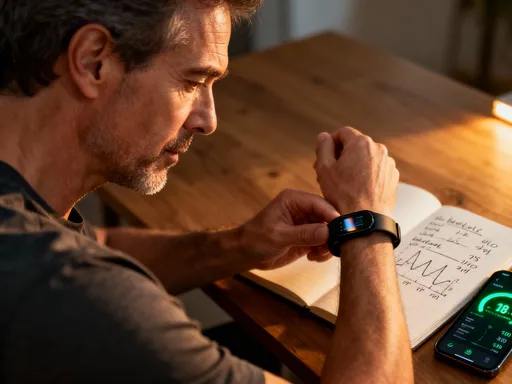
One reason people give up on flexibility training is that progress feels invisible. Unlike weight loss or strength gains, increased range of motion doesn’t always show up on a scale or in a mirror. A stretch that felt impossible last week might still look the same today, even if the body has actually improved. This is where health monitoring becomes powerful — not through apps or devices, but through mindful observation. Simply paying attention to how the body feels before and after movement can reveal subtle shifts. Did you breathe more deeply during a forward bend? Did your shoulders relax sooner? Did you stand up from a chair without that familiar creak? These small signs are real progress, even if they seem insignificant.
Keeping a simple journal or note log can transform the experience. At the end of each day, jot down a few observations: Less stiffness in the morning. Felt looser after stretching tonight. Could reach the top shelf without strain. Over time, these notes create a timeline of improvement. Patterns emerge — certain stretches help more than others, some days feel better than others, rest days matter. This awareness builds confidence. Instead of relying on external validation, you learn to trust your own body’s feedback. Monitoring also helps prevent overexertion. If you notice increased soreness or tension after trying a new stretch, you can adjust before injury occurs. It turns flexibility training into a dialogue with the body, not a battle against it.
Another benefit of tracking is motivation. When progress is documented, it becomes tangible. Seeing written proof that you can now touch your toes — even if just your fingertips — reinforces the value of continued effort. Small wins accumulate, creating a sense of accomplishment that fuels consistency. This is especially important for women in their 30s to 50s, who may juggle multiple responsibilities and feel they have little time for themselves. Knowing that a few minutes of stretching, paired with simple tracking, leads to real change makes it easier to prioritize. Health monitoring, in this context, is not about perfection. It’s about presence. It’s about noticing, honoring, and responding to what your body is telling you — one small win at a time.
Building a Sustainable Routine: Small Moves, Big Impact
Sustainability is the foundation of lasting change. A flexibility routine doesn’t need to be long or complicated to be effective. In fact, short, consistent practices are more likely to stick than ambitious but overwhelming plans. The key is integration — finding ways to make stretching a natural part of daily life. Three simple movements, done for five to ten minutes a day, can yield significant results over time. The focus should be on functional stretches that support everyday activities, not advanced poses. Seated forward bends, for example, gently lengthen the hamstrings and lower back — areas that often tighten from sitting. Shoulder rolls improve mobility in the upper body, making it easier to reach, carry, and lift. Ankle circles promote circulation and joint health, supporting balance and walking ease.
Each of these movements should be performed with attention to form and breath. In a seated forward bend, sit with legs extended, spine tall, and hinge at the hips — not the waist. Let the hands slide down the legs as far as feels comfortable, without forcing. The goal is not to touch the toes, but to feel a gentle stretch along the back of the legs. Shoulder rolls should be slow and controlled — forward, up, back, and down — releasing tension in the neck and upper back. Ankle circles can be done while seated, moving each foot in clockwise and counterclockwise directions to lubricate the joint. These stretches are safe for most beginners and can be modified based on individual needs. For example, bending the knees slightly during a forward bend reduces strain on tight hamstrings.
The real power lies in consistency. Doing these movements daily, even for a few minutes, signals to the body that movement matters. Over time, muscles learn to relax, connective tissues become more pliable, and the nervous system adjusts to new ranges of motion. Pairing the routine with an existing habit increases adherence. Stretch while watching the morning news, after dinner, or before bedtime. Linking it to something already routine makes it easier to remember and maintain. The message is clear: small efforts, repeated over time, create lasting change. You don’t need to become a contortionist. You just need to move, every day, with care and intention.
Listening to Your Body: The Real Feedback Loop
Flexibility is not a one-size-fits-all journey. Each body moves at its own pace, shaped by genetics, lifestyle, and history. The most important skill to develop is not flexibility itself, but awareness — the ability to listen to what the body is saying. Tightness is not always a signal to push harder. Sometimes, it’s a message to slow down. Fatigue, lingering soreness, or joint discomfort are signs that rest may be needed. Pushing through these signals can lead to strain, not progress. True flexibility comes from balance — between effort and ease, challenge and acceptance. Learning to distinguish between productive tension and harmful strain is essential. Productive tension feels like a gentle pull, a sensation of lengthening. Harmful strain feels sharp, localized, or persistent. When in doubt, ease off.
This kind of self-awareness fosters a deeper relationship with the body. It shifts the focus from external goals to internal experience. Instead of asking, How far can I go?, you begin to ask, How does this feel? That subtle shift changes everything. It promotes patience, reduces frustration, and builds trust. Over time, you learn your body’s rhythms — which stretches help on stressful days, which movements feel best in the morning versus the evening. You may notice that better movement correlates with better sleep, improved digestion, or a calmer mind. These connections reinforce the value of the practice beyond physical appearance. Flexibility becomes part of holistic well-being, not just a physical goal.
Rest is also a critical component of progress. Muscles and connective tissues adapt during recovery, not during stretching itself. Just as strength training requires rest days, so does flexibility training. Overstretching can lead to microtears, inflammation, and decreased performance. Allowing time for the body to integrate changes supports long-term gains. This doesn’t mean skipping days entirely — gentle movement like walking or light stretching can still be beneficial. But intense sessions should be balanced with recovery. Listening to the body means honoring its need for both movement and stillness. When you treat flexibility as a conversation, not a conquest, you create a practice that lasts a lifetime.
From Tracking to Transformation: Making It Stick
Lasting change doesn’t come from motivation alone — it comes from habit. And habits are built through repetition, reinforcement, and recognition. Tracking progress plays a crucial role in this process. When you see, in writing, that you can now bend deeper or move with less resistance, the effort feels worthwhile. That recognition fuels continued action. It transforms stretching from a chore into a meaningful act of self-care. Over time, the routine becomes automatic — something you do not because you have to, but because you want to. The body feels better. The mind feels calmer. The day starts and ends with a moment of presence.
Pairing tracking with small rewards can further strengthen the habit. After a stretching session, enjoy a warm cup of herbal tea, read a few pages of a book, or take a moment to breathe deeply with eyes closed. These tiny pleasures reinforce the behavior, making it more likely to continue. The reward doesn’t need to be big — it just needs to feel good. Over time, the act of stretching itself becomes rewarding. The body responds with greater ease, the mind with greater clarity. These internal rewards are more powerful than any external incentive.
Finally, it’s important to remember that flexibility is not a destination. There is no finish line, no final pose to achieve. It’s a lifelong practice, shaped by age, lifestyle, and health. Some days will feel better than others. That’s normal. The goal is not perfection, but presence. Every time you stretch, every time you notice a small improvement, you are honoring your body. You are investing in your ability to move freely, to live fully. And that kind of commitment — quiet, consistent, compassionate — changes more than just flexibility. It changes how you relate to yourself. It builds resilience, patience, and strength in ways that extend far beyond the physical. So keep tracking. Keep moving. And celebrate every small win — because each one matters.