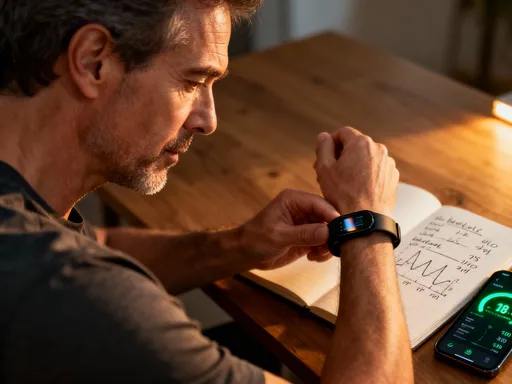
How I Beat Daily Fatigue Without Pills — Simple Health Tweaks That Actually Work
Ever feel drained by midday, no matter how much you sleep? I did too—until I stopped chasing quick fixes and started managing my energy like a daily project. It’s not about drastic changes, but small, science-backed habits that add up. This is how I reclaimed my focus and vitality, one realistic step at a time. No hype, just what truly helped. Fatigue is more than just feeling tired; it’s a quiet thief that steals motivation, clarity, and joy from everyday life. For years, I accepted low energy as normal—until I realized it wasn’t fatigue I was dealing with, but a series of overlooked imbalances. What followed wasn’t a miracle cure, but a thoughtful shift in how I approached my health. This is the journey that changed everything.
The Hidden Cost of Constant Tiredness
Fatigue is often dismissed as an inevitable part of modern life, especially for women balancing family, work, and household responsibilities. Yet, constant tiredness is not a badge of honor—it’s a warning sign. The experience goes beyond yawning in the afternoon. It shows up as brain fog that makes reading a recipe feel overwhelming, as the struggle to stay awake during a child’s school play, or as the need to rely on a third cup of coffee just to finish household chores. These are not isolated moments; they reflect a deeper pattern of energy depletion.
Chronic fatigue doesn’t just affect productivity—it impacts emotional resilience and physical health over time. Studies have linked persistent low energy to increased risk of metabolic issues, weakened immune function, and mood imbalances. When the body is constantly running on empty, it prioritizes survival over well-being, slowing repair processes and reducing the ability to manage stress. This creates a cycle: low energy leads to poor choices, which further drain energy, making recovery even harder.
Many people adapt to this state, normalizing the afternoon crash or the weekend spent recovering from the week. But this adaptation comes at a cost. It robs life of spontaneity, reduces patience with loved ones, and makes simple pleasures—like gardening, cooking, or walking in the park—feel like chores. The turning point for me came when I realized I was no longer present in my own life. I was going through the motions, not living. That’s when I decided to treat fatigue not as a condition to endure, but as a problem to solve.
Why Sleep Isn’t the Whole Story
Most people assume that more sleep equals more energy, but the truth is more complex. I used to believe that if I could just get eight full hours, all my energy problems would vanish. But even after logging solid sleep, I still felt sluggish by noon. That’s when I learned the difference between sleep quantity and sleep quality—and how other factors quietly undermine energy, no matter how long you rest.
Your body runs on a natural rhythm called the circadian clock, which regulates hormones like cortisol and melatonin. When this rhythm is disrupted—by late-night screen exposure, irregular bedtimes, or stress—it affects how refreshed you feel, regardless of sleep duration. Blue light from phones and tablets, for example, suppresses melatonin, delaying sleep onset and reducing deep sleep cycles. Even if you sleep eight hours, poor-quality sleep leaves you unrested.
Beyond sleep, other systems influence energy. Dehydration, even at mild levels, can cause fatigue, headaches, and difficulty concentrating. Blood sugar swings—caused by meals high in refined carbs—lead to energy spikes followed by sharp crashes. And mental load, the invisible burden of managing multiple responsibilities, drains cognitive resources the way physical labor drains muscles. Think of your body like a car: even with a full tank, poor maintenance—like low oil, underinflated tires, or a dirty air filter—will reduce performance. Energy is the same. It depends on multiple well-tuned systems working together.
My 3-Step Reset for Steady Energy
After months of trial and error, I developed a simple three-part morning routine that became the foundation of my energy recovery. It wasn’t about drastic changes, but consistency in three key areas: light, nutrition, and rhythm. The first step was morning sunlight exposure. Within 30 minutes of waking, I made it a habit to step outside for at least 10 minutes, even if it was just to sip tea on the porch. This small act helped reset my circadian clock by signaling to my brain that the day had begun, promoting healthy cortisol release and improving alertness.
The second step was switching to a protein-rich breakfast. I used to eat sugary cereals or toast, which left me hungry and foggy by 10 a.m. I replaced those with meals that included eggs, Greek yogurt, or nut butter on whole grain toast. Protein slows digestion, providing a steady release of energy and preventing blood sugar spikes. The difference was noticeable within days: fewer cravings, less mid-morning fatigue, and better focus during tasks.
The third part of my reset was building structured breaks into my day. Instead of pushing through mental fatigue, I began taking five-minute pauses every 90 minutes. During these breaks, I’d stretch, walk around the house, or simply close my eyes and breathe. This aligned with the body’s natural ultradian rhythm—cycles of focus and rest that support sustained performance. I tested this routine for several weeks. It wasn’t magic, but it was consistent. Over time, the afternoon crash faded, my mood stabilized, and I felt more in control of my day.
Move Smarter, Not Harder
One of the biggest misconceptions about energy is that you need intense workouts to feel better. The truth is, for someone already fatigued, high-intensity exercise can be counterproductive, increasing stress hormones and delaying recovery. What truly helps is consistent, gentle movement that supports circulation, oxygen flow, and cellular energy production.
I started with something simple: a five-minute walk after each meal. At first, it felt like just another task, but within a week, I noticed improved digestion and fewer post-lunch energy dips. Walking after eating helps regulate blood sugar by stimulating muscle glucose uptake, reducing the insulin spike that leads to fatigue. Over time, I increased my daily movement to include short stretching sessions, standing while folding laundry, and parking farther from store entrances.
These small actions add up. Physical activity boosts mitochondrial function—the energy factories inside your cells—making them more efficient at producing fuel. It also improves circulation, delivering oxygen and nutrients to the brain and muscles. The key is consistency, not intensity. You don’t need a gym membership or an hour-long workout. Ten minutes of movement, three times a day, can make a significant difference. My rule became: move every day, even if it’s just for a few minutes. Over time, this habit didn’t just increase my energy—it made me feel more connected to my body.
What Your Plate Really Does to Your Energy
Food is not just about calories—it’s information for your body. What you eat directly influences how alert, focused, or sluggish you feel. I used to think eating “healthy” meant cutting calories or avoiding fat, but I didn’t realize how much my food choices were sabotaging my energy. Refined carbohydrates—like white bread, pastries, and sugary cereals—cause rapid spikes in blood sugar, followed by crashes that leave you feeling irritable and exhausted.
The solution wasn’t deprivation, but balance. I began focusing on meals that combined protein, fiber, and healthy fats. For breakfast, I switched from sugary cereal to oatmeal topped with almonds and blueberries. For lunch, I replaced deli sandwiches on white bread with salads that included grilled chicken, avocado, and olive oil dressing. These changes stabilized my blood sugar, preventing the rollercoaster that had once dictated my energy levels.
Hydration also played a major role. I started carrying a water bottle and flavoring it with lemon or cucumber instead of reaching for soda. Even mild dehydration can reduce cognitive performance and physical stamina. By drinking water consistently, I noticed clearer thinking and less fatigue, especially in the afternoon. The goal wasn’t perfection, but progress. I allowed myself occasional treats, but made sure they didn’t derail my overall pattern. Nutrition, I learned, isn’t about dieting—it’s about creating a steady internal environment where energy can thrive.
Stress, Focus, and the Mental Load Drain
Mental fatigue is one of the most underestimated causes of low energy. Unlike physical tiredness, it doesn’t come from exertion—it comes from constant cognitive demand. As a woman managing home, family, and often work, the mental load is relentless. It’s the invisible labor of remembering birthdays, scheduling appointments, planning meals, and anticipating needs. This constant multitasking fragments attention and depletes mental reserves.
Research shows that switching between tasks—like checking email while cooking or scrolling through messages during a conversation—creates “attention residue,” where part of your brain remains stuck on the previous task. This reduces efficiency and increases mental fatigue. The brain consumes a significant amount of energy, and when it’s overworked, the whole body feels the strain.
To combat this, I began practicing single-tasking. Instead of doing three things at once, I focused on one thing at a time. I turned off notifications during meals, set specific times to check email, and created tech-free zones in the home. I also started using breathing resets: three deep breaths before starting a new task, or a minute of mindful breathing when feeling overwhelmed. These micro-practices didn’t take much time, but they created mental space. When I stopped checking my phone first thing in the morning, my entire day felt calmer. I had more focus, less anxiety, and more energy to engage with what truly mattered.
Building a Sustainable Routine — Without Perfection
The most important lesson I learned was that sustainable change doesn’t require perfection. Trying to overhaul every habit at once led to burnout and frustration. Instead, I focused on small, manageable steps—what experts call “habit stacking,” where new behaviors are linked to existing ones. For example, I paired morning sunlight with my coffee ritual, and post-meal walks with clearing the table. These tiny anchors made new habits easier to maintain.
I also shifted my focus from dramatic results to subtle improvements. Instead of waiting to feel “100%,” I celebrated small wins: fewer headaches, better sleep quality, more patience with my family. These signs told me the changes were working, even if they weren’t flashy. Progress isn’t always visible—it’s often felt.
There were days I skipped walks, ate convenience food, or stayed up too late. But I learned to treat these not as failures, but as part of the process. The goal wasn’t to be perfect, but to be consistent over time. I also reminded myself that persistent fatigue can have underlying medical causes, such as thyroid imbalances, anemia, or vitamin deficiencies. While lifestyle changes helped me greatly, I always encouraged myself—and encourage you—to consult a healthcare provider if fatigue continues. This isn’t medical advice, but a personal story of what worked for one person.
Conclusion
Fatigue doesn’t have to be your default setting. For too long, I accepted low energy as inevitable, but it wasn’t until I started treating energy as something to manage—like budgeting time or planning meals—that real change happened. It’s not about doing everything at once, but choosing one small, sustainable habit and building from there. Whether it’s stepping into morning light, eating a balanced breakfast, or taking a short walk after dinner, these choices add up.
Over time, these small adjustments transformed my daily life. I regained focus, felt more present with my family, and rediscovered the joy in simple activities. Energy isn’t just about physical stamina—it’s about emotional resilience, mental clarity, and the ability to engage fully with life. And that’s a change worth making. You don’t need pills or extreme measures. You need consistent, science-backed habits that honor your body’s needs. Start small. Stay consistent. And remember: your energy is not fixed—it’s something you can nurture, protect, and reclaim, one day at a time.