How I Finally Found Calm in the Chaos — And Why It Changed Everything
Remember that constant buzz of stress — emails piling up, deadlines chasing you, and zero time to just *breathe*? I lived there for years. My energy crashed by 3 p.m., and my sleep suffered. Then I realized: work-life balance isn’t about doing more — it’s about protecting your well-being. This isn’t a quick fix, but a real shift. Here’s what actually worked for me, no hype, just honest changes that brought back focus, energy, and peace. It didn’t happen overnight, and it wasn’t about quitting my job or moving to a cabin in the woods. It was about redefining what balance truly means — not as a rigid equation of hours, but as a daily practice of honoring my body, mind, and emotional needs. This is the journey many women in their 30s, 40s, and 50s know all too well — the quiet exhaustion of doing it all while feeling like you’re losing yourself in the process.
The Breaking Point: When Hustle Culture Almost Broke Me
It wasn’t one dramatic moment that made me stop — it was the slow accumulation of small things. The morning I couldn’t remember my daughter’s soccer game until I saw the missed call. The evening I burned dinner because I was on a work call, distracted and drained. The weekend I canceled plans with a close friend — again — because I was too tired to move. I was running on autopilot, fueled by coffee and obligation, not purpose or joy. I wore busyness like a badge of honor, believing that if I wasn’t exhausted, I wasn’t doing enough.
But the truth was, I wasn’t thriving — I was surviving. My body sent warning signs: headaches that lingered for days, a constant low-grade anxiety, and an inability to focus even on simple tasks. I’d lie in bed at night, mentally replaying emails and to-do lists, unable to shut off. My relationships felt strained, not because I didn’t care, but because I had nothing left to give. I was emotionally flat, going through the motions without presence or pleasure.
That’s when I realized burnout wasn’t just about working too much — it was about giving too much without replenishing. The cultural narrative that praised nonstop productivity had convinced me rest was a luxury, not a necessity. But my body didn’t care about productivity metrics. It needed recovery. And without it, every area of my life began to suffer — my health, my mood, my ability to connect with the people I loved most. The breaking point wasn’t dramatic. It was quiet, persistent, and deeply personal. And it forced me to ask a simple but powerful question: What if I stopped treating myself like a machine and started listening to what I truly needed?
Rethinking Balance: It’s Not About Time, It’s About Energy
For years, I chased balance by trying to “do it all” — manage work, family, home, and personal goals — by squeezing more into each day. I color-coded calendars, set reminders, and prided myself on efficiency. But no matter how well I organized my time, I still felt drained. That’s when I began to understand: balance isn’t about dividing hours equally between work and life. It’s about managing energy — physical, mental, and emotional.
Science shows that our bodies operate on natural rhythms. When we push through fatigue, ignore hunger cues, or suppress emotions, we deplete our energy reserves. Stress hormones like cortisol rise, impairing focus, weakening immunity, and disrupting sleep. Decision fatigue sets in, making even small choices feel overwhelming. The nervous system, designed to respond to threats, stays in a state of low-grade alert — not because of danger, but because of constant demands.
Recovery isn’t optional. It’s biological. Just as a muscle needs rest to grow stronger, the brain and body need downtime to reset. The metaphor that changed everything for me was simple: Your brain isn’t a machine; it’s a garden that needs rest to grow. You can’t plant seeds, pull weeds, and harvest every day without allowing the soil to recover. Yet that’s exactly what we do when we treat rest as a reward instead of a requirement.
When I shifted my focus from time management to energy management, everything changed. Instead of asking, “What can I fit in today?” I began asking, “How can I protect my energy?” That small shift in perspective reduced guilt around taking breaks and made self-care feel less like indulgence and more like maintenance. It wasn’t about doing less — it was about doing what matters with more presence and less strain.
The Power of Micro-Boundaries: Small Shifts, Big Impact
One of the biggest myths about work-life balance is that it requires drastic changes — quitting your job, hiring help, or completely overhauling your routine. But what I discovered was far more accessible: the power of micro-boundaries. These are small, intentional choices that protect your energy without disrupting your responsibilities. They don’t require grand gestures — just consistency and awareness.
My first micro-boundary was simple: no screens for the first 10 minutes after waking. Instead of reaching for my phone, I’d sit with my coffee, look out the window, and take a few slow breaths. That tiny pause signaled to my nervous system that the day didn’t have to start in emergency mode. It created space between waking and reacting — a buffer against the usual flood of notifications and demands.
Another boundary was shutting down work email at 7 p.m. No exceptions. I set an alarm to remind myself, and over time, it became automatic. At first, I worried I’d miss something urgent. But I realized most “urgent” things could wait until morning — and if they couldn’t, someone would call. This boundary didn’t just protect my evening — it improved my workday. Knowing I had a cutoff time made me more focused during work hours.
I also started taking real lunch breaks — away from my desk, without my phone. Even 15 minutes outside, walking around the block or sitting on a bench, made a difference. These moments of disconnection reduced cognitive load and gave my brain a chance to reset. Over time, I added other small practices: turning off non-essential notifications, using a physical notebook instead of digital apps for to-do lists, and scheduling “buffer time” between meetings.
What surprised me most was how quickly these micro-boundaries added up. They weren’t about perfection — some days I broke them, and that was okay. But the consistency built momentum. Each small act of self-protection reinforced the message: Your well-being matters. And when you protect your energy in small ways, you have more to give in the moments that matter.
Movement That Fits: Not More Gym, Just More Flow
For years, I associated exercise with guilt. If I wasn’t logging intense workouts or hitting the gym five times a week, I felt like I was failing. But that all-or-nothing mindset only led to burnout and inconsistency. What finally helped wasn’t more gym time — it was integrating gentle, accessible movement into my daily rhythm.
I started with something simple: walking after meals. Just 10 minutes after dinner, rain or shine. No tracking, no pressure. I noticed quickly that these short walks didn’t just aid digestion — they cleared my mind. The rhythmic motion, fresh air, and change of scenery helped me transition from work mode to family time. It became a ritual, not a chore.
I also began stretching at my desk — neck rolls, shoulder shrugs, seated spinal twists. These micro-movements took less than a minute but relieved the tension that built up from sitting. I swapped the elevator for the stairs when possible, parked farther away, and even danced while folding laundry. These weren’t workouts in the traditional sense, but they kept my body moving — and that made all the difference.
The science is clear: gentle movement improves circulation, lowers stress hormones, and boosts mood. It doesn’t have to be intense to be effective. In fact, for someone already drained, high-intensity exercise can add more strain. The goal isn’t to burn calories — it’s to get your blood moving, oxygenate your brain, and release physical tension.
What changed most was my mindset. I stopped seeing movement as something I “should” do and started seeing it as a gift to my body. Five minutes counts. Ten counts more. The key isn’t duration or intensity — it’s rhythm. When movement becomes a natural part of your day, not a separate task to check off, it supports your energy instead of depleting it.
Sleep as the Silent Reset Button
If there’s one habit that transformed my well-being more than any other, it’s prioritizing sleep. Not because I suddenly became a perfect sleeper — I still have restless nights — but because I stopped treating sleep as optional. I began to see it not as downtime, but as essential maintenance — the body’s nightly repair cycle.
Poor sleep doesn’t just make you tired. It affects everything: focus, mood, appetite, immune function, and emotional resilience. When I was chronically sleep-deprived, I craved sugar, snapped at my kids, and struggled to concentrate. My decision-making suffered, and I felt emotionally fragile. It wasn’t until I improved my sleep that I realized how much it had been undermining every other area of my life.
My first step was setting a consistent bedtime — even on weekends. I aimed for 7 to 8 hours and protected that time like an important appointment. I also created a wind-down routine: dimming the lights an hour before bed, switching to warm-toned lighting, and avoiding screens. I started reading physical books instead of scrolling, and I kept my phone out of the bedroom.
These changes didn’t fix everything overnight, but I noticed a difference within days. My mind felt clearer in the morning. I had more patience. I made better food choices. The ripple effect was real: better sleep led to better energy, which led to better choices, which led to better sleep. It became a positive cycle.
I also let go of perfection. Some nights, I still stay up late. But now, I don’t beat myself up. I know one bad night won’t ruin my health — it’s the long-term pattern that matters. And by treating sleep as a non-negotiable, I’ve given my body the chance to heal, reset, and show up more fully each day.
The Mindset Flip: From Guilt to Permission
Perhaps the hardest part of this journey wasn’t the habits — it was the guilt. For years, I felt selfish for taking breaks, for saying no, for prioritizing my needs. I’d lie in bed, unable to sleep, because I was mentally replaying all the things I “should” be doing. I believed that rest was a reward for finishing everything — but since everything was never finished, rest never came.
That mindset is deeply rooted in cultural messages that glorify busyness. We’re taught that worth is tied to productivity — that if you’re not doing, you’re not contributing. But this belief ignores a basic truth: you cannot pour from an empty cup. Rest isn’t the enemy of productivity — it’s its foundation.
The shift came when I reframed self-care as performance fuel, not indulgence. You wouldn’t drive a car on empty — why run your body dry? When I started seeing rest as essential maintenance, the guilt began to fade. Taking a walk wasn’t laziness — it was clearing mental fog. Saying no to an extra commitment wasn’t selfish — it was protecting my energy for what truly mattered.
I began giving myself permission to pause — without justification, without apology. I didn’t need to earn rest. I didn’t need to prove I was “tired enough” to deserve it. I simply needed to recognize that I was human, not a machine. And humans need rest to function, thrive, and connect.
This mindset flip changed everything. It allowed me to set boundaries without guilt, to prioritize sleep without shame, and to move through my day with more compassion for myself. And when I stopped punishing myself for needing rest, I found I had more to give — not because I was doing more, but because I was showing up with more presence, patience, and clarity.
Building Your Own Balance Blueprint
One of the most important lessons I’ve learned is that there’s no one-size-fits-all approach to balance. What works for me might not work for you — and that’s okay. The goal isn’t to copy someone else’s routine, but to build your own balance blueprint — a personalized set of practices that honor your unique needs, rhythm, and responsibilities.
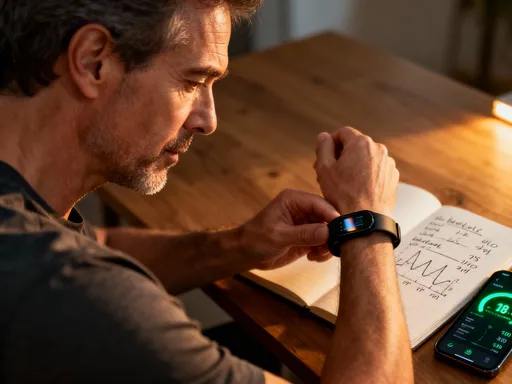
I encourage you to start small. Pick one habit — maybe a 10-minute screen-free morning, a daily walk, or a consistent bedtime — and try it for a week. Notice how it feels. Track your energy, mood, and focus. Journaling can help you see patterns you might otherwise miss. Don’t aim for perfection — aim for awareness.
Some days will be messy. You’ll skip your walk, check email late, or lose patience with your kids. That’s normal. Progress isn’t linear. What matters is that you keep showing up, keep adjusting, and keep listening to your body. Over time, you’ll learn what truly supports your well-being — not what you think you “should” do, but what actually works for you.
Remember, balance isn’t a destination — it’s a practice. It’s not about achieving perfect harmony every day. It’s about making small, consistent choices that honor your health. It’s about learning to say no, to rest, to move gently, to sleep deeply — not because you’re broken, but because you’re human.
And when you begin to treat yourself with that kind of care, something shifts. You become more present with your family. You make better decisions at work. You feel more grounded, more resilient, more like yourself. The calm you’ve been searching for isn’t found in doing more — it’s built, one mindful choice at a time.
True work-life balance isn’t about achieving perfect harmony every day. It’s about awareness, intention, and small, sustainable choices that honor your health. This journey isn’t about doing more — it’s about being more present, more energized, and more in control. When you prioritize well-being, everything else — focus, relationships, performance — starts to flow. The calm you’re looking for? It’s not out there. It’s built, one mindful choice at a time.