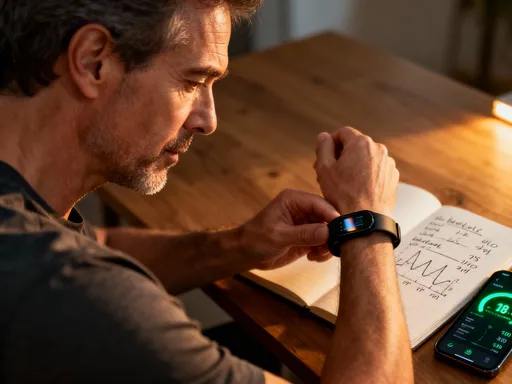
You Won’t Age Like Before: How Daily Tracking Changed My Health Game
Aging doesn’t have to mean decline. What if small, daily habits could keep you feeling sharper, stronger, and more energized? I started tracking simple health signs—sleep, heart rate, steps—and saw real changes. It’s not magic, just awareness. This is how monitoring quietly transformed my well-being, and why it might do the same for you. What began as a curiosity became a lifeline, revealing patterns I had ignored for years. The truth is, aging is not just about the passage of time. It’s shaped by how we live each day. And when we start paying attention, even in small ways, we gain the power to influence how we feel, think, and move through life.
The Moment I Realized Aging Wasn’t Just About Years
For most of my 40s, I told myself that fatigue was normal. After all, I was busy—raising children, managing a household, and balancing personal responsibilities. When I found myself reaching for coffee by mid-morning and struggling to stay awake during quiet evenings, I accepted it as part of getting older. Brain fog, low motivation, and a general sense of being 'off' became my background noise. I assumed my energy levels would only continue to dip with time. But one morning, after forgetting a close friend’s birthday—something I had never done before—I paused. Was this really just aging? Or was something else at play?
That moment sparked a shift. I began to question whether aging had to mean steady decline. I started reading about how lifestyle patterns—sleep, movement, stress management—could influence how we age on a biological level. I learned that chronological age, the number of years since birth, is different from biological age, which reflects the health of our cells and systems. Some people in their 50s have the biological markers of someone much younger, while others show signs of accelerated aging in their 40s. The key difference? Daily habits. This realization was empowering. It meant that how I felt wasn’t just fate—it was, in part, within my control.
That’s when I considered health monitoring. At first, the idea felt overwhelming. I imagined complicated devices, endless data, and the pressure to hit perfect numbers every day. I worried I’d become obsessed with metrics or discouraged by setbacks. But then I reframed it: tracking wasn’t about perfection. It was about awareness. It wasn’t a diagnostic tool, but a mirror—showing me patterns I couldn’t see on my own. So I started small. I focused on just a few simple signs: how much I slept, how I felt in the morning, and how many steps I took. No pressure, no judgment—just observation. And within weeks, the data began to tell a story.
What Health Monitoring Really Means (And What It Doesn’t)
Health monitoring is often misunderstood. Many people assume it’s about chasing ideal numbers—perfect sleep scores, flawless heart rate zones, or step counts that rival elite athletes. But that’s not the point. True health monitoring is about observing trends over time. It’s the practice of gathering consistent, small pieces of information to understand how your body responds to daily choices. Think of it like keeping a weather log. You’re not trying to control the climate—you’re learning to recognize patterns so you can dress appropriately for the conditions.
It’s important to clarify what health monitoring is not. It is not a substitute for medical advice or diagnosis. If you experience persistent symptoms, it’s essential to consult a healthcare provider. Monitoring also doesn’t require expensive gadgets or technical expertise. While wearables can help, even simple observations—like how rested you feel or how long it takes to fall asleep—can provide valuable insights. The goal is not to turn your life into a science experiment, but to build a deeper connection with your body’s signals.
The science behind tracking is both practical and powerful. Our bodies constantly communicate through physiological markers. Resting heart rate, for example, can reflect your nervous system’s balance. A lower resting heart rate generally indicates better cardiovascular fitness and efficient recovery. Sleep quality affects hormone regulation, memory consolidation, and cellular repair. Daily movement influences metabolism, joint health, and mood. When tracked consistently, these metrics reveal patterns linked to inflammation, chronic stress, and recovery capacity—all of which play a role in how we age.
For instance, research shows that poor sleep is associated with increased levels of inflammatory markers like C-reactive protein. Chronic inflammation is a known contributor to age-related conditions, including heart disease and cognitive decline. Similarly, prolonged sedentary behavior is linked to insulin resistance and reduced mitochondrial function—both of which accelerate biological aging. By tracking these behaviors, we gain early warning signs. We see how a stressful week affects our sleep, or how skipping movement impacts our energy. This awareness doesn’t guarantee perfection, but it creates opportunities for timely, meaningful adjustments.
Why Tracking Works for Anti-Aging—Backed by Science
The connection between daily habits and aging is rooted in biology. At the cellular level, aging is influenced by three key factors: telomere shortening, oxidative stress, and chronic inflammation. Telomeres are protective caps at the ends of our chromosomes. Each time a cell divides, telomeres get slightly shorter. When they become too short, cells can no longer divide efficiently, leading to aging and disease. Oxidative stress occurs when there’s an imbalance between free radicals and antioxidants in the body, damaging cells and accelerating aging. Chronic inflammation, often driven by poor sleep, stress, and inactivity, further damages tissues over time.
The good news? These processes are not fixed. Lifestyle choices can slow—or even reverse—some aspects of biological aging. A landmark study published in *The Lancet Oncology* found that men who adopted healthier lifestyles—including better diet, regular exercise, stress management, and adequate sleep—showed increased telomere length over five years. While more research is needed, especially in women, the findings suggest that how we live directly influences our cellular health.
Health tracking supports this by providing real-time feedback. When you see that your resting heart rate drops after a week of consistent sleep, you’re witnessing improved recovery. When you notice your energy levels rise after increasing daily steps, you’re experiencing metabolic benefits firsthand. This feedback loop strengthens motivation. It turns abstract health goals into tangible results. Over time, small changes become habits because you can see their impact. You’re not just told to sleep more—you see how it improves your focus and mood. You’re not just advised to move more—you feel the difference in your stamina and joint comfort.
Moreover, tracking helps identify personal triggers. One woman might notice her sleep suffers after evening screen use, while another finds caffeine affects her heart rate variability. These insights are highly individual. What works for one person may not work for another. By monitoring your own data, you move beyond generic advice and discover what truly supports your well-being. This personalized approach is at the heart of sustainable anti-aging strategies.
The 3 Metrics That Gave Me the Biggest Clarity
When I began tracking, I focused on three key areas that had the most immediate and noticeable impact: sleep, daily movement, and resting heart rate. These weren’t chosen at random. Each plays a foundational role in energy, recovery, and long-term health. Together, they form a simple but powerful dashboard for understanding how your body is aging in real time.
Sleep duration and consistency were my first focus. I had always considered myself a decent sleeper, but the data told a different story. On average, I was getting only 6.2 hours per night, with frequent awakenings and inconsistent bedtimes. Research shows that adults need 7–9 hours of quality sleep for optimal health. Chronic sleep deprivation is linked to accelerated brain aging, reduced skin elasticity, and impaired glucose metabolism. After just a few nights of poor sleep, cognitive performance can decline as much as it does after alcohol consumption. When I prioritized a consistent bedtime and limited screen exposure before sleep, I saw improvements within days. My mood stabilized, my memory sharpened, and even my skin looked more refreshed.
Daily step count and movement variety were next. I was surprised to learn that even if you exercise, prolonged sitting can still harm your health. The body is designed to move throughout the day, not just in 30-minute bursts. I started aiming for 7,000–8,000 steps daily, not as a rigid goal, but as a baseline. I incorporated short walks after meals, stretching breaks, and household tasks that kept me upright. The anti-sedentary effect was remarkable. My digestion improved, my joints felt looser, and my energy levels became more stable. Movement also helped regulate my appetite and reduced afternoon cravings. Over time, I noticed I wasn’t just more active—I was more present in my body.
Resting heart rate trends gave me a window into my nervous system health. I began checking my pulse first thing in the morning, before getting out of bed. Initially, it hovered around 72 beats per minute. After improving sleep and adding daily walks, it gradually dropped to the mid-60s. A lower resting heart rate generally indicates a stronger, more efficient heart and better recovery. It also reflects reduced stress load. On days when my resting heart rate spiked, I learned to ask: Did I drink too much coffee? Was I anxious? Did I skip sleep? These moments weren’t failures—they were clues. They taught me to respond with compassion, not criticism.
Simple Tools Anyone Can Use (No Tech Obsession Needed)
You don’t need a high-end wearable to start monitoring your health. While devices like fitness trackers and smartwatches can be helpful, they’re not required. The most important tool is consistency. Many low-tech options are just as effective. I began with a simple notebook where I recorded my bedtime, wake time, energy level, and daily movement. I used a basic checklist to track habits like hydration and stretching. Even standing in front of the mirror each morning and asking, 'How do I feel?' became a form of tracking.
Wearables can enhance tracking, but they come with risks. Some people become overly focused on numbers, leading to anxiety or obsessive behavior. The key is balance. Use technology as a guide, not a judge. If checking your sleep score causes stress, skip it. If step counts make you feel guilty, focus instead on how movement makes you feel. I use a basic fitness band, but I only review the data once a week. This prevents daily fixation and keeps the focus on trends, not single data points.
Most smartphones also have built-in features that can support tracking. The health app on many devices automatically logs steps, heart rate (with compatible accessories), and sleep patterns if you charge your phone near your bed. Free apps like Sleep Cycle or MyFitnessPal offer gentle reminders and simple dashboards. The goal isn’t data overload—it’s clarity. Choose one or two tools that fit your lifestyle and stick with them. Simplicity increases sustainability.
Setting up a routine is crucial. I spend about five minutes each evening reviewing my day. I note what went well and what felt off. On Sundays, I do a brief weekly check-in: How was my sleep average? Did I move most days? How’s my energy? This ritual takes less than ten minutes but keeps me connected to my well-being. It’s not about perfection—it’s about presence. Over time, this small habit has become a cornerstone of my health routine.
Turning Data Into Action: My Weekly Reset Routine
Tracking is only valuable if it leads to action. I use a weekly reset to turn insights into changes. Every Sunday, I review my data: sleep logs, step counts, energy notes, and resting heart rate trends. I look for patterns. For example, if I see that my energy dipped midweek, I check my sleep from the previous nights. If I notice my resting heart rate was elevated, I consider stress levels or caffeine intake. This isn’t about blame—it’s about understanding.
Based on what I see, I make small, realistic adjustments. If I slept poorly, I prioritize bedtime hygiene: dimming lights, avoiding screens, and drinking herbal tea. If I’ve been sedentary, I schedule short walks or stretch breaks. If stress is high, I add mindfulness or deep breathing. These aren’t drastic overhauls—they’re gentle course corrections. The mindset shift has been profound. I no longer see setbacks as failures. They’re feedback. My body is communicating, and I’m learning to listen.
The results have been real. Within a month, I noticed I was waking up more easily, thinking more clearly, and feeling less irritable. My focus improved, especially during afternoon tasks. I stopped relying on sugary snacks for energy. My clothes fit better, not because I lost weight, but because my posture and muscle tone improved. These changes weren’t dramatic, but they were consistent. And consistency, over time, leads to transformation.
This routine has also deepened my self-trust. I’m less likely to dismiss how I feel. If I’m tired, I don’t push through blindly. I ask why. This has reduced burnout and improved my overall resilience. I’ve learned that rest is not laziness—it’s recovery. Movement is not punishment—it’s vitality. These shifts in perspective have been as valuable as the physical changes.
Sustainable Monitoring: Making It Part of Life, Not a Chore
The biggest challenge with tracking is burnout. Many people start enthusiastically but quit when life gets busy. The key to sustainability is consistency, not perfection. You don’t need to track every day to see benefits. Even monitoring three days a week can reveal patterns. The goal is to build awareness that lasts, even when you’re not actively measuring.
There are times when stepping back is wise. If tracking begins to cause stress or obsession, it’s time to pause. Listen to your body more than your data. Some weeks, I don’t check my numbers at all. I focus on how I feel, what brings me joy, and what restores my energy. This balance prevents tracking from becoming a source of pressure. It reminds me that the goal isn’t numbers—it’s well-being.
Over time, the insights from tracking have become internalized. I now notice fatigue before it hits. I recognize when I need to move, rest, or hydrate—without checking a device. This self-awareness is the true reward. It’s not about dependency on technology, but about cultivating a deeper relationship with your body. You begin to trust your instincts, guided by the knowledge you’ve gathered.
The long-term payoff is profound. I don’t just look better—I feel younger. My energy is more stable, my mood is more balanced, and I engage with life more fully. I’m not trying to stop time. I’m choosing to live well within it. Aging is inevitable, but decline is not. By paying attention to small, daily signals, we can age with strength, clarity, and grace.
Your body speaks in whispers before it shouts. Fatigue, brain fog, low motivation—they’re not just signs of getting older. They’re messages. Health monitoring helps you hear them. It turns vague discomfort into clear insight. It transforms fear into empowerment. You don’t need to track everything. Start with one habit. One metric. One small change. Let awareness be your guide. Over time, these small steps add up to a life that feels lighter, stronger, and more vibrant. Aging well isn’t about adding years to your life. It’s about adding life to your years. And it begins with a simple question: Are you listening?
Always remember to consult with a healthcare provider for personal medical concerns. Health tracking is a tool for insight and motivation, not a replacement for professional medical advice.