How I Found Balance With the Mediterranean Way
Ever feel like healthy eating is all rules and no joy? I used to, until I discovered the Mediterranean diet—not as a strict plan, but as a lifestyle shift. No counting calories, no cutting out entire food groups. Just real food, vibrant flavors, and lasting energy. Backed by science and loved by hearts worldwide, this way of eating isn’t about perfection—it’s about progress. Let me walk you through how it quietly transformed my health, and how it might just do the same for you.
The Burnout Behind the Breakthrough
For years, the idea of eating well felt like a never-ending battle. One month, it was low-fat. The next, low-carb. Then came keto, intermittent fasting, juice cleanses—each promising fast results but leaving me more tired, hungry, and disconnected from the joy of eating. I wasn’t alone. Millions of women, especially those balancing family, work, and personal well-being, face this cycle of restriction and rebound. The constant confusion—what’s good for me now?—is exhausting. Food, which should nourish and comfort, had become a source of stress.
Cravings hit by mid-afternoon. Energy crashed after lunch, no matter what I ate. I’d find myself reaching for sugary snacks or processed convenience foods, not because I lacked willpower, but because my body was asking for real fuel. I wasn’t feeding it what it needed. The turning point came when my doctor gently suggested I look beyond quick fixes. She didn’t prescribe a diet. Instead, she asked, 'What if you ate the way people in southern Europe have for generations?' That question led me to the Mediterranean diet—not as another trend, but as a return to something timeless.
Unlike fad diets that isolate nutrients or ban entire food groups, the Mediterranean approach is rooted in how real people eat. It’s not about deprivation. It’s about abundance—colorful vegetables, hearty grains, good fats, and meals shared with loved ones. There’s no scale required, no point system, no guilt. Just a pattern of eating that supports long-term health while honoring pleasure and culture. For the first time, I felt like I wasn’t fighting my body, but working with it.
What Exactly Is the Mediterranean Diet? (And What It’s Not)
The Mediterranean diet is often misunderstood. Some think it’s just eating pasta with olive oil or drinking red wine daily. Others assume it’s a weight-loss program designed for quick results. But according to the World Health Organization and institutions like Harvard T.H. Chan School of Public Health, it’s neither a gimmick nor a rigid set of rules. It’s a dietary pattern inspired by the traditional eating habits of people living in countries bordering the Mediterranean Sea—places like Greece, southern Italy, and Spain—where rates of heart disease and chronic illness have historically been low.
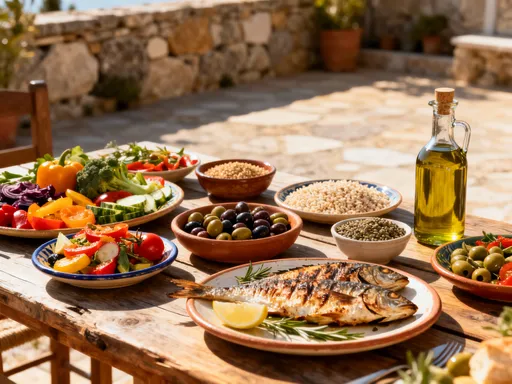
At its core, the diet emphasizes whole, minimally processed foods. Meals are built around vegetables, fruits, legumes, whole grains, nuts, and seeds. Healthy fats—especially extra virgin olive oil—replace butter and refined oils. Fish and seafood appear regularly, while poultry, eggs, and dairy are enjoyed in moderation. Red meat is limited, not banned, and sweets are occasional treats, not daily indulgences. Herbs and spices flavor food instead of salt, and water is the primary drink, with wine sometimes included in small amounts with meals.
What makes this way of eating different is its foundation in culture and sustainability. It’s not about short-term results. It’s about creating a rhythm of nourishment that can last a lifetime. The Mediterranean diet isn’t a prescription; it’s a framework. It allows flexibility, honors personal preferences, and adapts to seasons and budgets. Most importantly, it removes the guilt often tied to food. There’s no such thing as cheating on this diet—only returning to balance.
Why Science Keeps Coming Back to This Plate
Over decades, study after study has shown that people who follow a Mediterranean-style eating pattern tend to live longer, healthier lives. One of the most influential studies, the PREDIMED trial, followed thousands of adults at high risk for heart disease. Researchers found that those who followed the Mediterranean diet—especially when supplemented with extra virgin olive oil or nuts—had a significantly lower risk of major cardiovascular events like heart attack and stroke. These results weren’t due to a single magic ingredient, but to the powerful combination of nutrients working together.
Further research links this way of eating to better brain health. Older adults who closely follow the Mediterranean pattern show slower cognitive decline and a reduced risk of conditions like Alzheimer’s disease. Blood sugar control also improves, making it a supportive choice for those managing or preventing type 2 diabetes. Unlike diets that focus on cutting calories, the Mediterranean approach improves metabolic health by enhancing insulin sensitivity and reducing inflammation—a silent driver of many chronic diseases.
So why does it work so well? The answer lies in synergy. Vegetables and fruits provide antioxidants that protect cells. Whole grains offer fiber that supports digestion and stabilizes blood sugar. Legumes and fish deliver plant-based protein and omega-3 fatty acids, which support heart and brain function. Olive oil, rich in monounsaturated fats and polyphenols, helps reduce bad cholesterol while protecting blood vessels. And because meals are satisfying and flavorful, people are more likely to stick with them—making long-term adherence not just possible, but enjoyable.
The Core Pillars—Simple, Not Strict
The beauty of the Mediterranean diet is its simplicity. It doesn’t require special products or complicated recipes. Instead, it rests on five foundational pillars that are easy to understand and apply. The first is vegetables—lots of them. Aim to fill half your plate with a rainbow of colors at every meal. Leafy greens, tomatoes, eggplant, bell peppers, zucchini, and artichokes aren’t just nutritious; they add texture and flavor to every dish. When vegetables are the star, meals naturally become lighter and more balanced.
The second pillar is smart fats, with extra virgin olive oil leading the way. This isn’t just a cooking oil—it’s a cornerstone of the diet. Use it to sauté vegetables, drizzle over salads, or dip bread. Unlike processed fats, it supports heart health and helps your body absorb fat-soluble vitamins. Nuts and seeds—such as almonds, walnuts, and flaxseeds—are also encouraged in small handfuls, offering crunch and sustained energy.
Third, legumes like lentils, chickpeas, and beans are essential. They’re packed with fiber and plant-based protein, making them perfect for soups, stews, and grain bowls. They’re also budget-friendly and shelf-stable, which makes them practical for busy households. The fourth pillar is whole grains—think farro, barley, brown rice, and whole-wheat couscous. These take longer to digest than refined grains, keeping blood sugar steady and hunger at bay.
Finally, fish and seafood play a regular role, ideally two to three times a week. Fatty fish like salmon, mackerel, and sardines are rich in omega-3s, which are vital for brain and heart health. But even modest portions make a difference. By building meals around these five pillars, you create a pattern that’s both nourishing and satisfying—no strict rules required.
Making It Work in a Busy World
One of the most common concerns is time. How can a diet rooted in fresh ingredients and home-cooked meals fit into a packed schedule? The truth is, the Mediterranean way isn’t about perfection—it’s about progress. Small, consistent changes add up. Start with simple swaps: choose whole-grain bread instead of white, snack on a handful of almonds instead of chips, or replace creamy dressings with olive oil and lemon.
Meal prep doesn’t have to mean hours in the kitchen. Cook a big batch of quinoa or farro on Sunday and use it throughout the week in bowls, salads, or stir-fries. Keep frozen vegetables on hand—they’re just as nutritious as fresh and can be added to omelets, soups, or pasta dishes in minutes. Canned beans and tomatoes are also pantry staples that make quick, healthy meals possible on the busiest nights.
Budget is another real concern, but the Mediterranean diet can be affordable. Shop seasonally—buy strawberries in summer, squash in fall. Visit farmers’ markets when possible, or look for store-brand frozen vegetables and dried legumes, which cost less than canned. Instead of expensive cuts of meat, use smaller amounts of flavorful ingredients like olives, capers, or herbs to enhance meals. Fish doesn’t have to be wild-caught salmon every time—canned tuna or sardines in water are excellent, low-cost sources of protein and omega-3s.
When dining out, make mindful choices. Opt for grilled fish or chicken instead of fried. Ask for dressings and sauces on the side. Skip sugary drinks and choose water or sparkling water with a slice of lemon. These small decisions keep you aligned with the diet without making you feel restricted. The goal isn’t to be perfect—it’s to stay connected to your health, even on the go.
Beyond the Plate: Movement, Mindset, and Meals Together
The Mediterranean lifestyle extends far beyond food. In traditional cultures, eating is a social event—a time to connect, relax, and enjoy. Meals are eaten slowly, without screens, allowing time to recognize fullness and savor flavors. This mindful approach reduces overeating and enhances digestion. It also strengthens relationships. Sharing a meal with family or friends isn’t just pleasant—it’s a form of emotional nourishment.
Physical activity is another natural part of the rhythm. People in Mediterranean regions don’t typically go to gyms. Instead, they walk daily—whether to the market, around the neighborhood, or after dinner. Movement is woven into life, not treated as a chore. You don’t need intense workouts to benefit. A 20- or 30-minute walk most days can improve circulation, support joint health, and boost mood. The key is consistency, not intensity.
Mentally, shifting from dieting to nourishing changes your relationship with food. When you stop labeling foods as 'good' or 'bad,' guilt fades. You begin to see meals as opportunities to care for yourself, not tests of willpower. This mindset reduces stress, which in turn supports better digestion, sleep, and hormonal balance. Over time, you may notice not just physical changes—more energy, better digestion—but emotional ones too: greater calm, confidence, and joy in everyday moments.
The Mediterranean way teaches that health isn’t a destination. It’s a daily practice. It’s choosing a piece of fruit over a cookie not because you have to, but because you know your body will feel better. It’s pausing before eating to take a breath. It’s lighting a candle during dinner, not for show, but to create a moment of presence. These small acts add up to a life that feels more balanced and whole.
Your First Week—A Gentle Start, Not a Shock
If you’re ready to begin, don’t overhaul everything at once. Start with one or two changes that feel manageable. The goal is to build new habits, not create stress. Here’s a simple framework for your first week, focused on patterns rather than perfection:
Day 1: Make vegetables the main part of dinner. Try a large salad with cucumbers, tomatoes, red onion, olives, and feta, dressed with olive oil and oregano. Add a small portion of grilled chicken or chickpeas for protein.
Day 2: Swap refined grains for whole grains. Have oatmeal with fresh fruit and a sprinkle of nuts for breakfast. At lunch, choose whole-wheat pita with hummus and sliced vegetables.
Day 3: Cook with olive oil. Sauté spinach and mushrooms in olive oil and garlic for a quick side. Use it in place of butter on your morning toast.
Day 4: Try a plant-based meal. Make a lentil and vegetable soup with carrots, celery, and tomatoes. Serve with a slice of whole-grain bread.
Day 5: Add fish. Grill or bake a piece of salmon or another fatty fish. Pair it with roasted sweet potatoes and steamed broccoli.
Day 6: Snack on nuts and fruit. Instead of processed snacks, have an apple with a small handful of almonds.
Day 7: Share a meal. Invite a family member or friend to join you for a simple, home-cooked dinner. Focus on conversation and savoring each bite.
As you go, pay attention to how you feel. Do you have more energy in the afternoon? Is your digestion more regular? Are your cravings quieter? These subtle shifts are signs that your body is responding. Keep a small journal if it helps, but don’t obsess over details. The point isn’t to track every bite, but to tune in.
Simple recipes can make this easier. Try a Greek salad with extra virgin olive oil and lemon juice. Roast chickpeas with cumin and paprika for a crunchy snack. Make a grain bowl with farro, roasted vegetables, and a tahini dressing. These meals are quick, flavorful, and aligned with the Mediterranean pattern. Over time, they’ll become second nature.
Conclusion
The Mediterranean way isn’t a quick fix—it’s a quiet revolution in how we relate to food. It doesn’t demand sacrifice; it invites enjoyment. By choosing whole foods, embracing balance, and listening to our bodies, we build not just better health, but a richer, more nourishing life. It’s not about being perfect. It’s about showing up, one mindful bite at a time. For women juggling responsibilities and seeking sustainable well-being, this approach offers something rare: a path that’s both scientifically sound and deeply human. It’s not just what we eat. It’s how we live.